

Days before the Tour de France rolls out of Barcelona, four human rights organisations, FairSquare, the Bahrain Institute for Rights and Democracy, Sudan Unlimited and Christian Solidarity Worldwide, have written to UCI president David Lappartient asking for something almost unimaginable: the immediate suspension of UAE Team Emirates-XRG’s licence, and a review of how cycling licences are granted to state-backed teams.
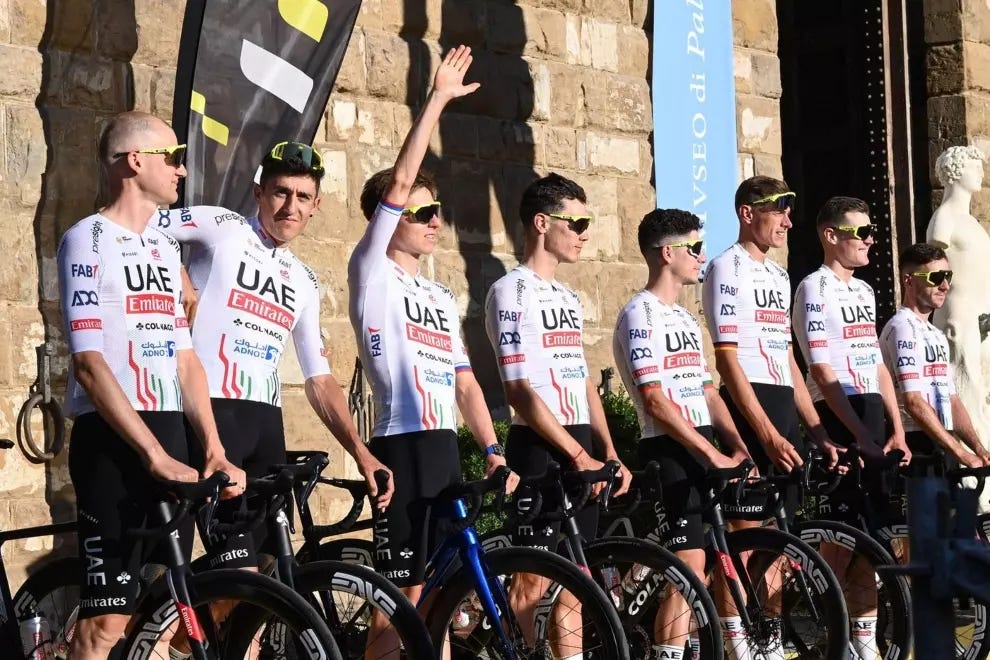
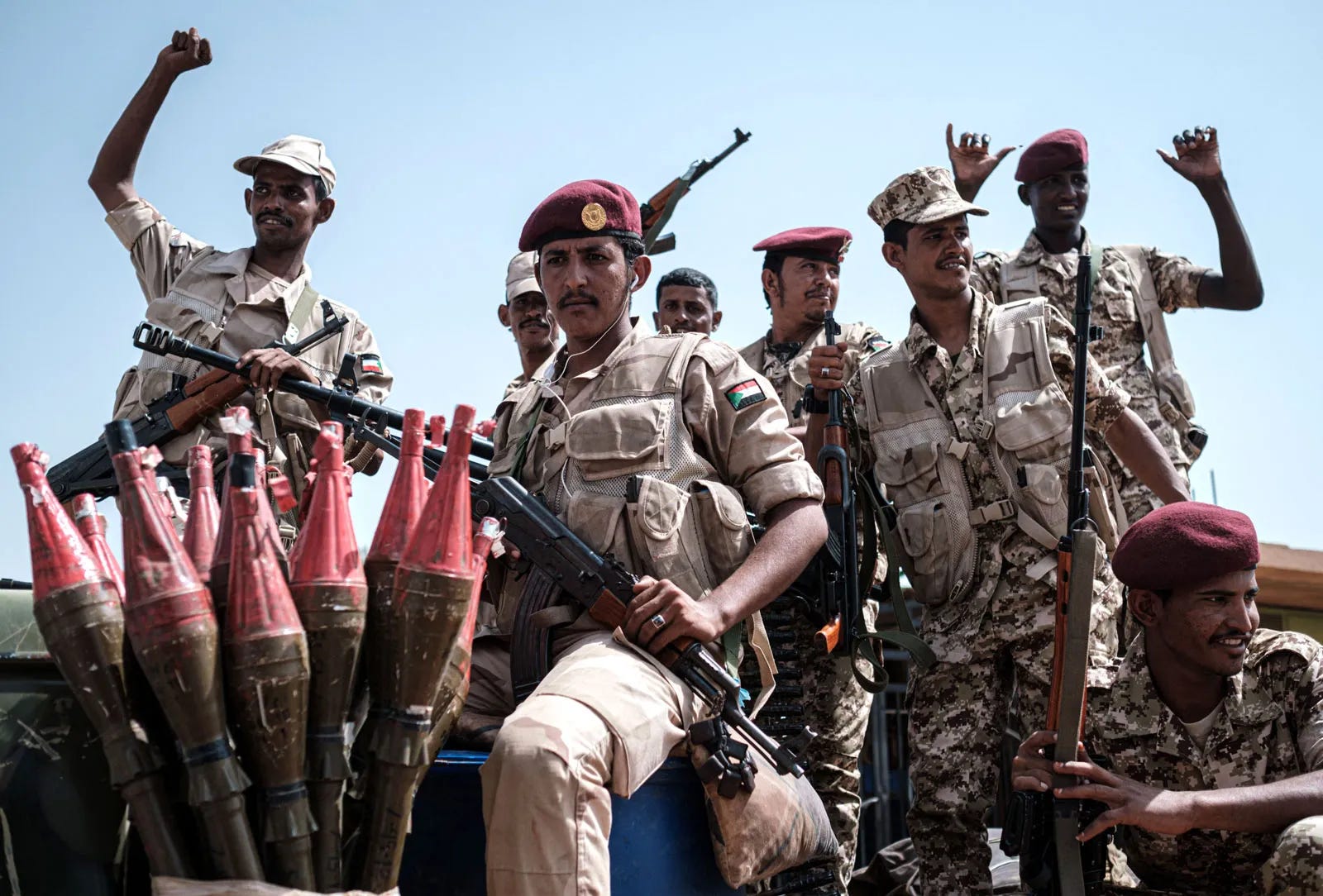
Their argument, laid out in a letter dated 25 June, is blunt. The team, they write, is under the financial and political control of the UAE state, its principal sponsors are Emirates airline, owned by the government of Dubai, and XRG, the investment wing of Abu Dhabi’s state oil company, and it functions as a vehicle for the international branding of a government that, according to evidence cited from the UN Panel of Experts, Amnesty International, Human Rights Watch and the US intelligence community, is the primary financial backer and arms supplier of the Rapid Support Forces in Sudan. The RSF stands accused by the UN of atrocities bearing the “hallmarks of genocide,” in a war that has killed more than 150,000 people and left over 30 million in need of humanitarian aid. The UAE denies supporting the RSF. The team’s response ran to nine words: “As a sports team, we don’t engage in geopolitical commentary.”
The UCI has said nothing. It almost certainly hopes the whole thing blows over by the time the flag drops in Barcelona. But the question remains difficult because it doesn’t have an easy answer: would cycling be better off or worse off if the UCI actually did it?
The case that cycling would be better
Let’s start with the difficult truth in the letter: cycling’s economics make it uniquely cheap to buy. There are no franchise fees, no transfer market, no gate receipts. A WorldTour team’s entire existence hangs entirely on sponsorship. FairSquare’s director, Nicholas McGeehan, put it brutally: the sport’s sponsor-driven model makes it “easy prey” for authoritarian states seeking positive public relations. For a fraction of what a football club costs, a government can put its name on the chest of the greatest rider of his generation and have the world chant its initials on the Champs-Élysées, which is precisely what happened when Pogačar and his teammates locked arms in Paris and chanted “U-A-E!”
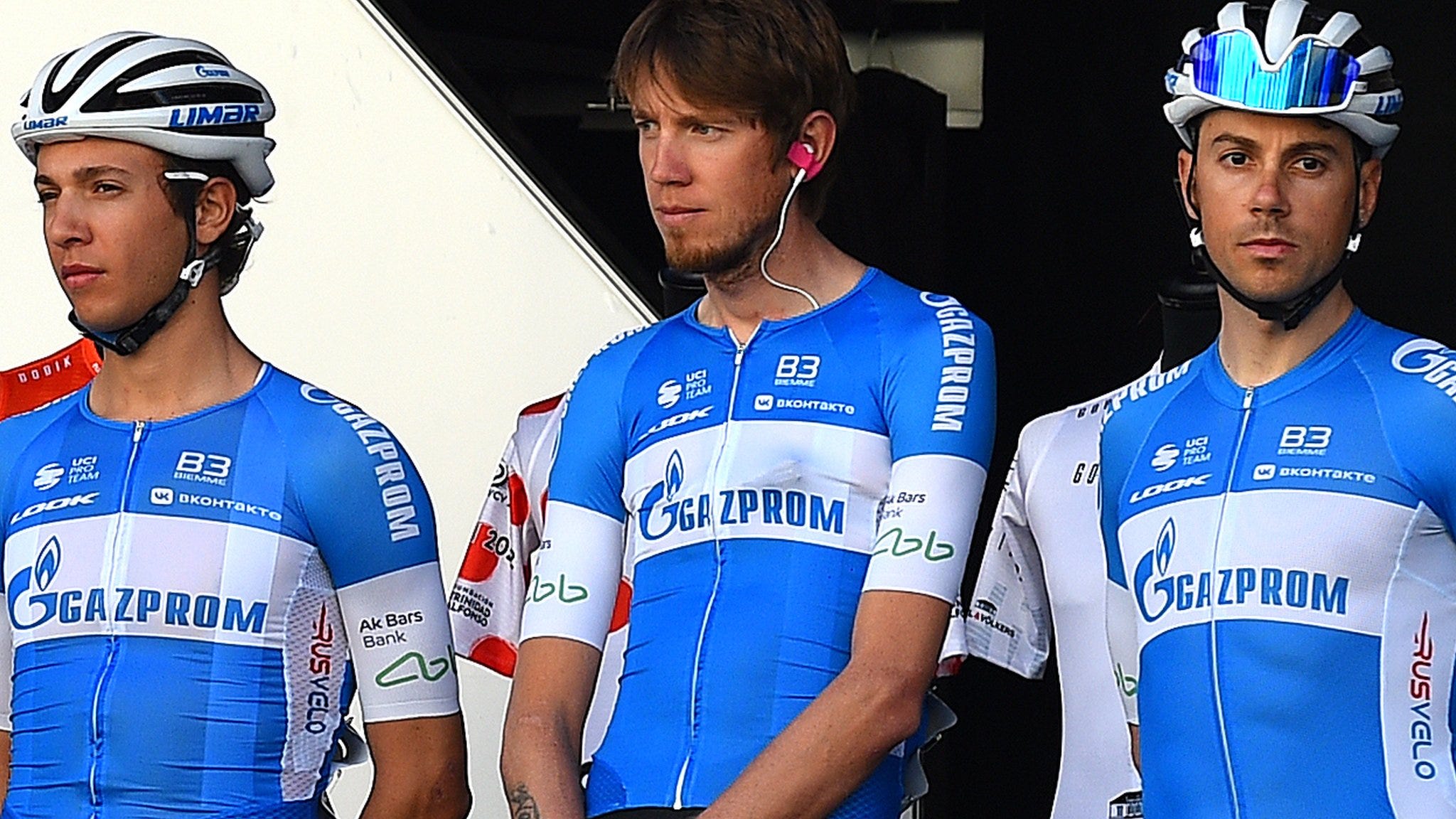
And the UCI cannot claim its hands are tied, because it has done this before. In March 2022, after the invasion of Ukraine, it stripped Gazprom-RusVelo of its licence1 and barred Russian team riders who had committed no offence, punished because of who paid their wages. The precedent exists, which means the current situation isn’t neutrality; it’s a choice about which atrocities trigger consequences and which don’t.
If the sport’s own governing body concluded in 2022 that a state’s conduct can disqualify its sporting vehicles, then declining even to review the licence of a team funded by a state credibly linked to genocide sets the bar, as BIRD’s director put it, dangerously low. A suspension would say the yellow jersey is not for sale to reputation launderers, and that message would echo well beyond cycling, into every sport wrestling with sovereign money at the moment.
Between Efforts Podcast

The case that cycling would be worse
Now the other side, and it’s weightier than most would think.
First, the human side. A licence suspension wouldn’t punish Abu Dhabi; it would punish roughly 30 riders and dozens of staff, including Slovenians, Mexicans, Brits, and Spaniards, none of whom have been accused of anything. Tadej Pogačar’s crime would be his employer. The sport would be telling its greatest talent since Merckx, days before he chases a record-equalling fifth Tour, that he’s collateral. Riders don’t get to choose the geopolitics of their sponsors any more than most of us get to interrogate the supply chains of ours.
Second, the standard of proof. The allegations against the UAE are supported by credible sources and concern the conduct of a state, not the team. The UCI is a sports regulator, not a tribunal for war crimes. Once it starts adjudicating governments, where is the line? The same letter flags Bahrain Victorious over Bahrain’s repression of dissent2. Astana carries Kazakh state money3. Israel-Premier Tech spent the 2025 Vuelta surrounded by protests. Ineos is bankrolled by petrochemicals4. A principled rule would be enormous in scope; an unprincipled one would be pure politics. The Russia precedent cuts both ways here; it can be read as proof the UCI acts only when the geopolitical wind makes it easy to do so.
Third, the money would not be replaced. Cycling is not drowning in sponsors; teams fold when one billionaire loses interest. Strip out Gulf backing (UAE, Bahrain, and the race sponsorships beyond them), and you don’t get a cleaner sport; you get a smaller, poorer one, with fewer jobs and fewer teams. Now don’t get me wrong, that’s not a reason to ignore genocide, but it is a reason the people running the sport will.
The ramifications, globally
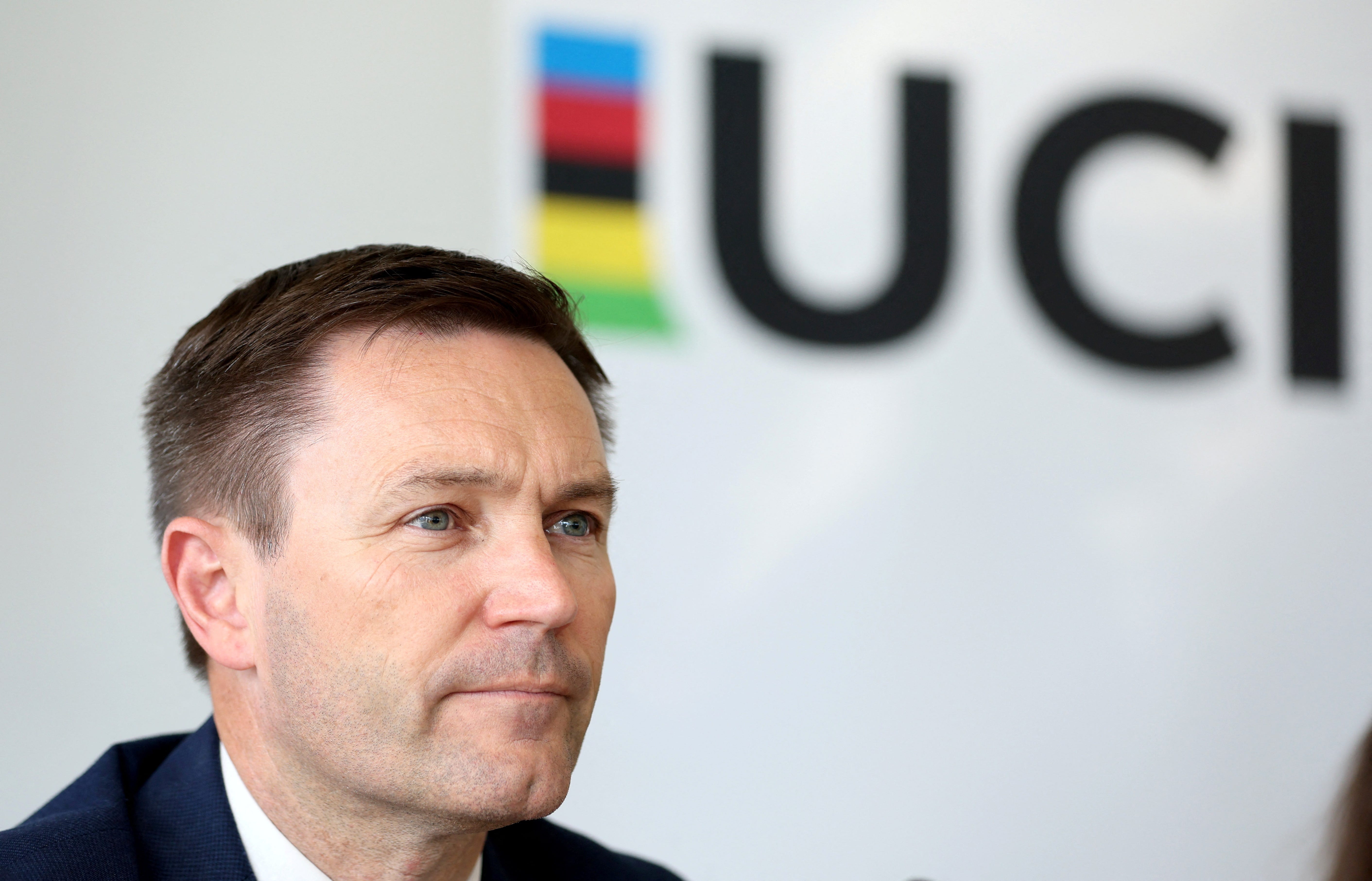
Suppose Lappartient did it anyway. The team would fight it at the Court of Arbitration for Sport, with the best lawyers oil money can buy, and might well win. The UCI’s licensing rules were never written for this. The UAE Tour, a fixture on the UCI’s own WorldTour calendar, would become untenable, and the Gulf’s wider investment in the sport would be on notice. The precedent would reach into places this audience knows intimately: the same state money underwrites MyWhoosh, the platform on which the UCI runs its own Cycling Esports World Championships and which is currently indoor cycling’s great free alternative to Zwift. A UCI that bans UAE Team Emirates while holding its esports worlds on an Abu Dhabi virtual cycling platform would be a contradiction with a very short shelf life. And Sudan? A cycling ban would not stop a single bullet. Its value would be purely symbolic, which is not the same as worthless, since symbolism is exactly what the sponsorship buys, but nobody should pretend it’s aid.
So: better or worse?
Honestly? Both. Cycling would be morally better and materially worse. Cleaner conscience, thinner wallet, minus its brightest star through no fault of his own. Anyone who tells you the answer is obvious in either direction is hiding something.
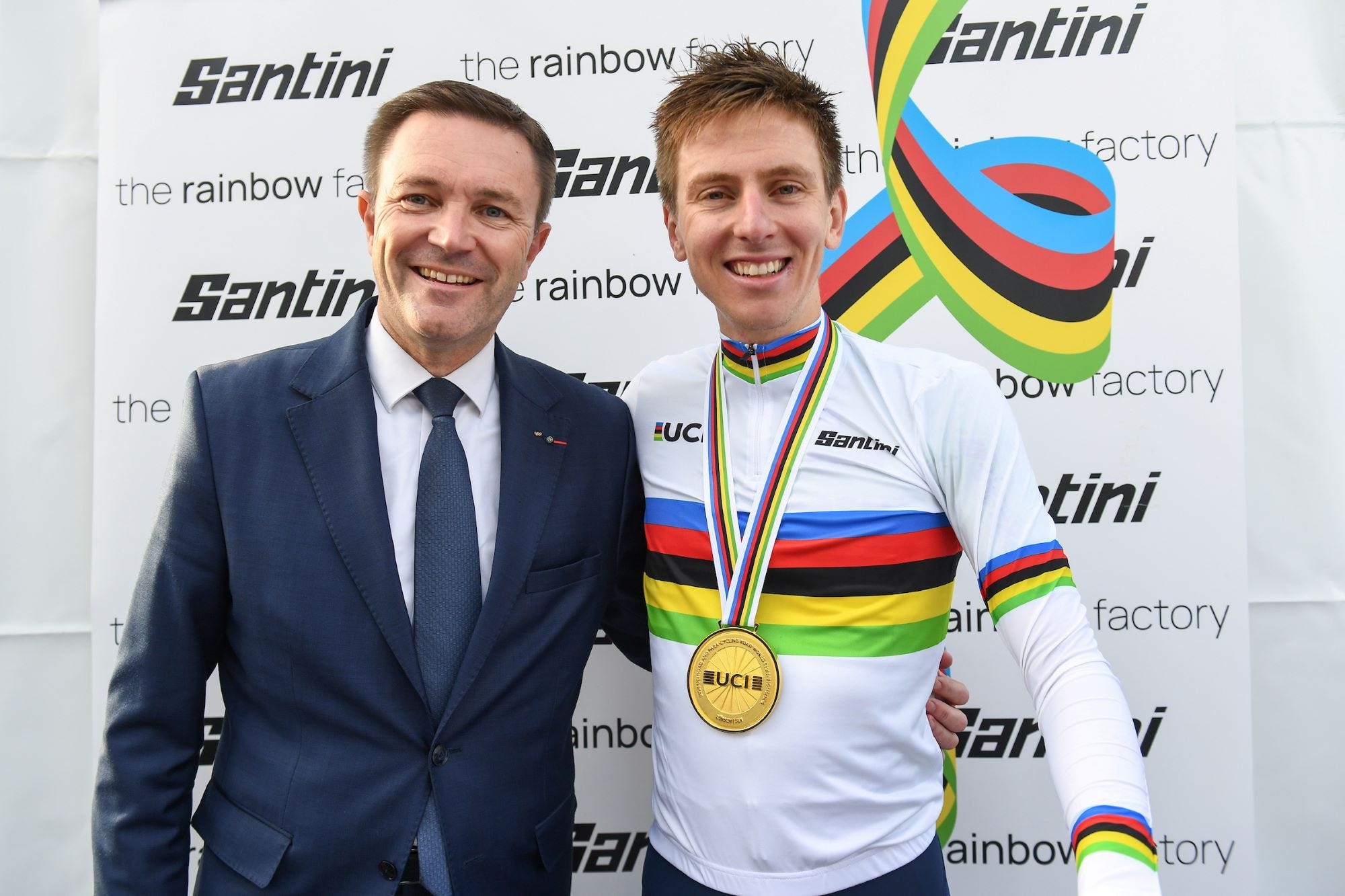
But the binary also lets the UCI off too easily, because the real failure happened years ago, at the licensing desk. When this team was founded in 2017, one of its sponsors was a UAE military contractor that a UN panel had already cited for funnelling weapons into Libya, and the licence sailed through anyway. That’s the deeper issue here: the sport keeps accepting the money first and asking questions later (if at all). The letter’s second demand, the one getting no headlines, is the one that bites: develop a licensing policy with human rights due diligence built in, so the sport decides whom it sells its jerseys to before the world is chanting their name on the podium. The question isn’t really whether to throw Pogačar’s team out of the Tour. It’s whether cycling ever intends to look at the money before taking it.
Don’t expect an answer before Barcelona. The UCI’s silence, for now, IS the policy.