

Whilst listening to Episode 3 of The Wattage Cottage podcast and more specifically, Zwift’s goal of establishing a junior development program, I realised that there is a quiet contradiction sitting beneath Zwift’s boldest announcement in years, and it’s worth holding up to the light.
In the same era that Zwift stopped accepting new under-16 riders (its kids page now turns away parents asking to set up accounts for younger children) the company has unveiled a junior development team with one of the loudest goals in the sport..
..to put a North American rider on the top step of the Tour de France within a decade.
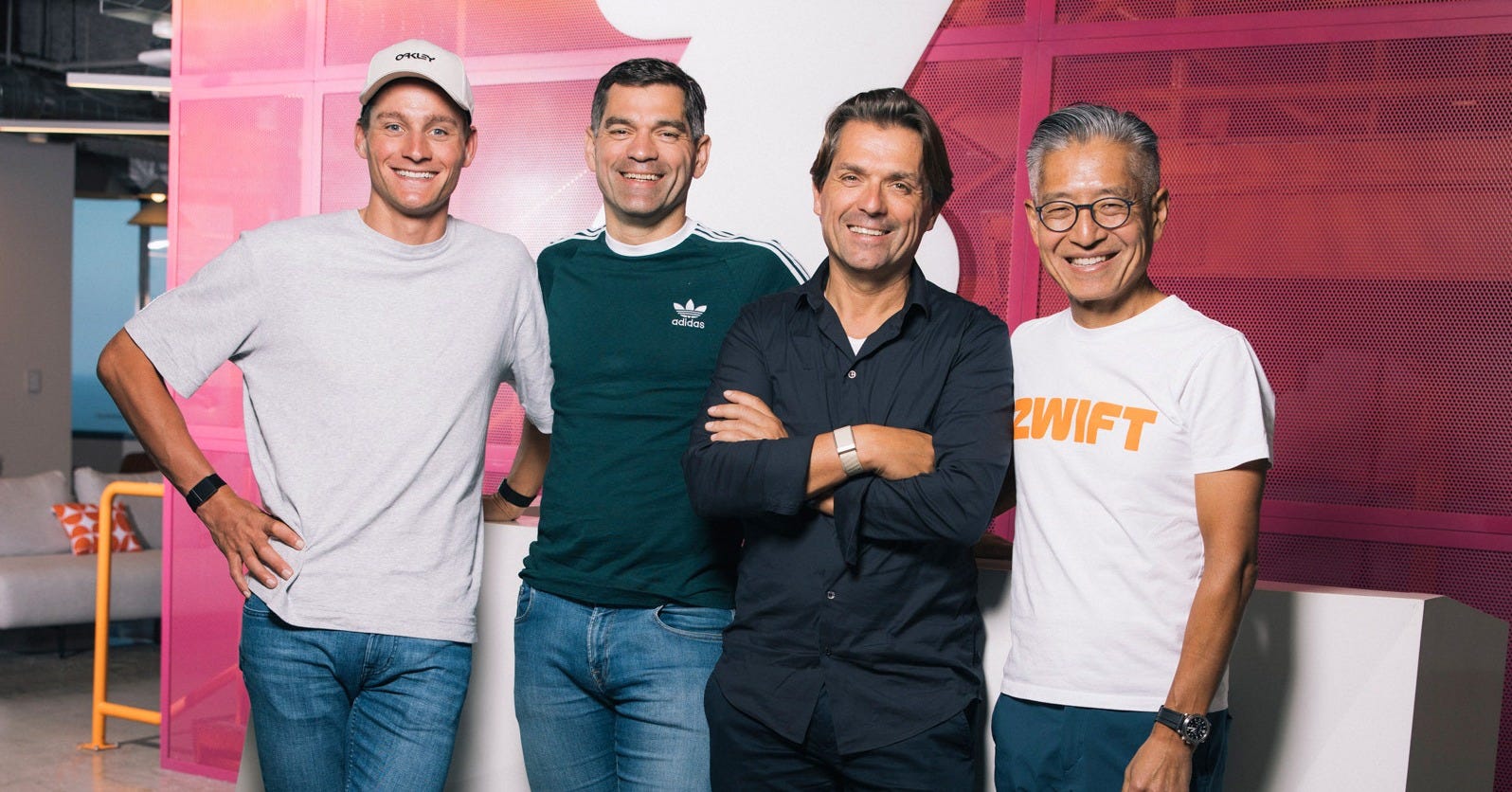
The squad, built with Canyon and Pedal Mafia and run by veteran director Roy Knickman, will field under-19 men and women from the United States, Canada and Mexico. Under-19 means some of these prospects are fifteen. Fifteen-year-olds the platform itself currently won’t allow access.
Set those two facts side by side and a strange question falls out: how do you develop the next generation on a platform the next generation isn’t allowed to use?
The honest answer begins with a definition nobody has actually resolved yet. Is Zwift even social media? Australia’s world-first under-16 ban, in force since December 2025, doesn’t catch everything. It exempts online gaming, fitness and health apps, which is why Roblox and Steam stay open to kids while Instagram and Facebook slam shut. Zwift will argue it belongs firmly in the first group: it’s a smart trainer with scenery, not a social media feed. Probably right. But not airtight. Zwift has chat, clubs, group rides and “ride-ons” which is a thumbs-up that behaves an awful lot like a “like,” the precise sort of feedback feature regulators have started flagging. And nobody at the platform gets to decide the question; eventually a court does. So Zwift sits in a grey zone partly of its own making: selling community and connection in its marketing, while needing to insist, when it counts, that it’s only a game.
Which leads to the tough question - is this team development, or is it marketing? The people building it don’t seem to draw the line. Canyon’s founder openly framed the project as a chance to learn about delivering value to sponsors in a “social-first” era. The trade press talks about building a fanbase before anyone has won a race. None of that is sinister; it’s how modern sport runs. But it’s worth saying plainly: a development team can race in the real world without a single rider ever opening an app.
The athletic mission doesn’t need Zwift. The brand mission does.
So what is the payoff that the company is really chasing? A generation that grows up inside its ecosystem and never leaves, which is exactly the lifelong loyalty that under-16 laws are being written to interrupt.
There’s geography in it, too. The pipeline points squarely at North America, the one major market that has stayed out of the under-16 fight, while Britain drafts its own ban and Australia, a historic factory of junior cycling talent, pulls kids off social platforms entirely. Does Zwift realise that they need to develop this funnel whilst North American laws still allow it?
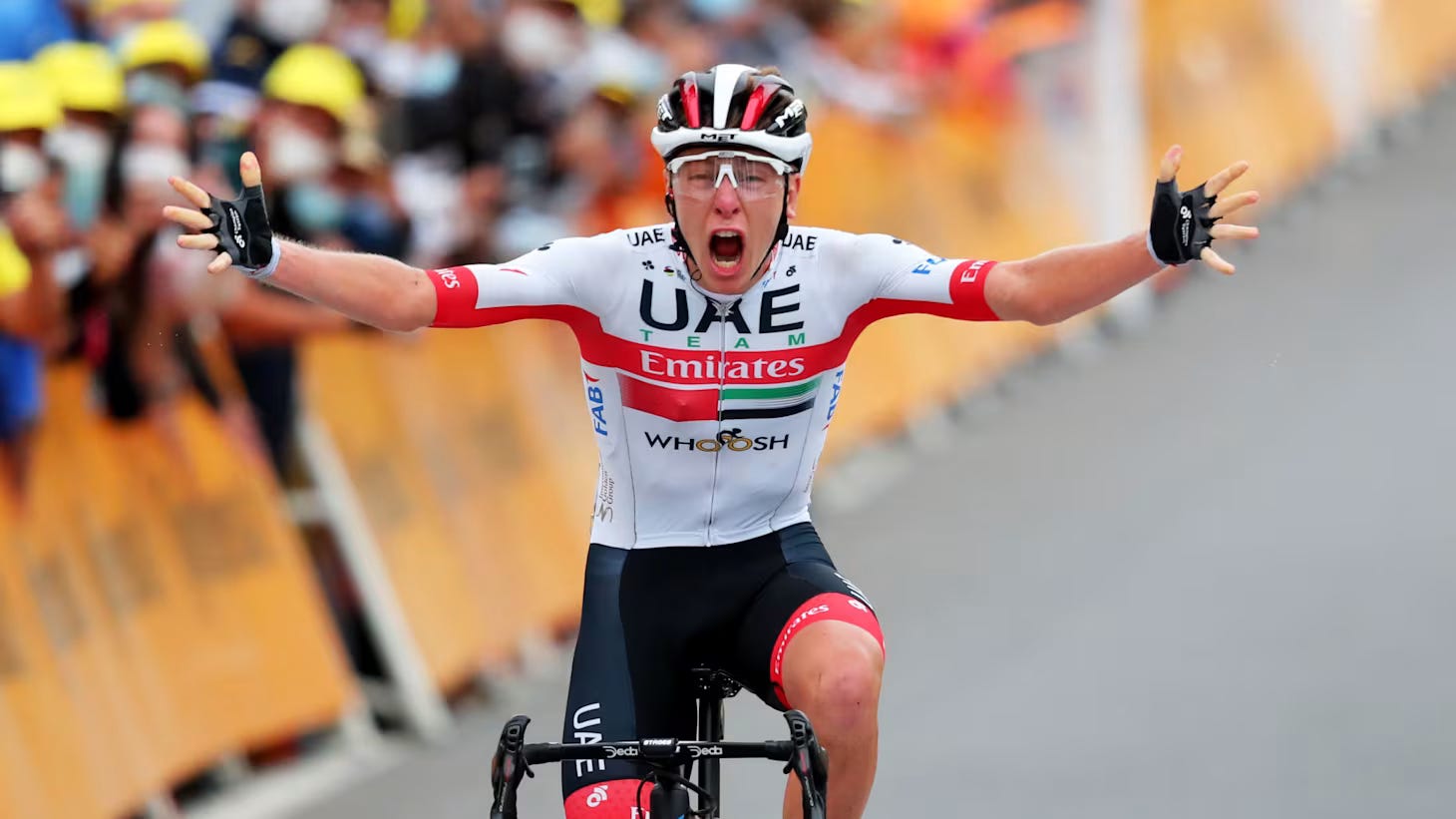
And the clock is the magnifying glass. Tadej Pogačar is the youngest Tour de France stage winner in the last 10 years, winning his first stage at the 2020 Tour de France (Stage 9) at just under 22 years-old. A ten-year goal means the rider who might stand in Paris around 2036 is twelve to fifteen years old today: the exact cohort the world is busy logging off. The regulations are tightening, not loosening.
None of this makes the ambition wrong. A well coached, structured, parent-supported path into sport may be one of the healthiest things a kid can do online, the opposite of the doomscrolling, bully-infested environments these laws were written to stop. But Zwift can’t have it both ways indefinitely. Sooner or later it has to say what it is: a game that develops champions, or a platform that markets to children. The Tour goal is bold and admirable. The honesty about why is the part still missing.