

Forty degrees in Carcassonne, a race lead that had already swapped hands twice in three days, and Tadej Pogačar starting the morning with a headache from the heat before it had even reached its worst. By the time Stage 4 was done, none of that was the story. The Tour de France’s yellow jersey belonged to a 30-year-old Norwegian named Torstein Træen, who began the day 5:06 behind the race leader and had spent the previous few years fighting cancer, not fighting for GC.
If you don’t follow the sport closely enough to have Uno-X Mobility on your radar, that’s fine. Nobody expected to be writing his name in a Tour de France GC story this morning either. That’s exactly what makes it worth telling.
How a breakaway became the whole story
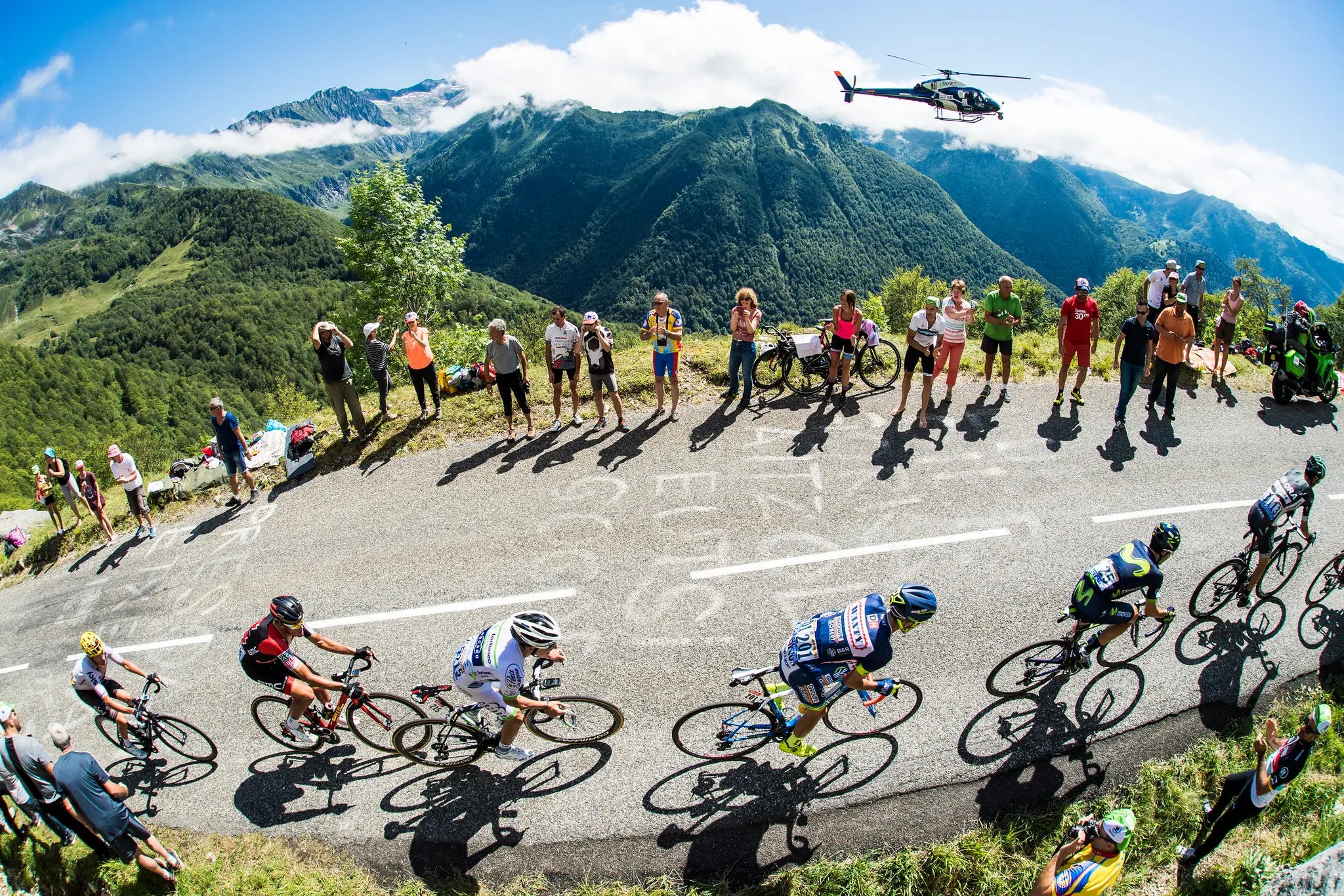
Stage 4 had been highlighted as a day for the escape. 182km from Carcassonne to Foix, hot enough to make the peloton think twice about chasing anything without reason, with two classified climbs late on to soften up whoever did attempt it. Right on cue, a 34-rider group went clear early and neither UAE Team Emirates-XRG nor Vingegaard’s Visma squad saw a reason to burn matches reeling it in. Nobody in the break carried a GC threat worth the effort. Except for the two men who did. Sean Quinn and Torstein Træen, both sitting inside five and a half minutes of the lead, both aware that if the gap grew large enough, yellow stopped being theoretical.
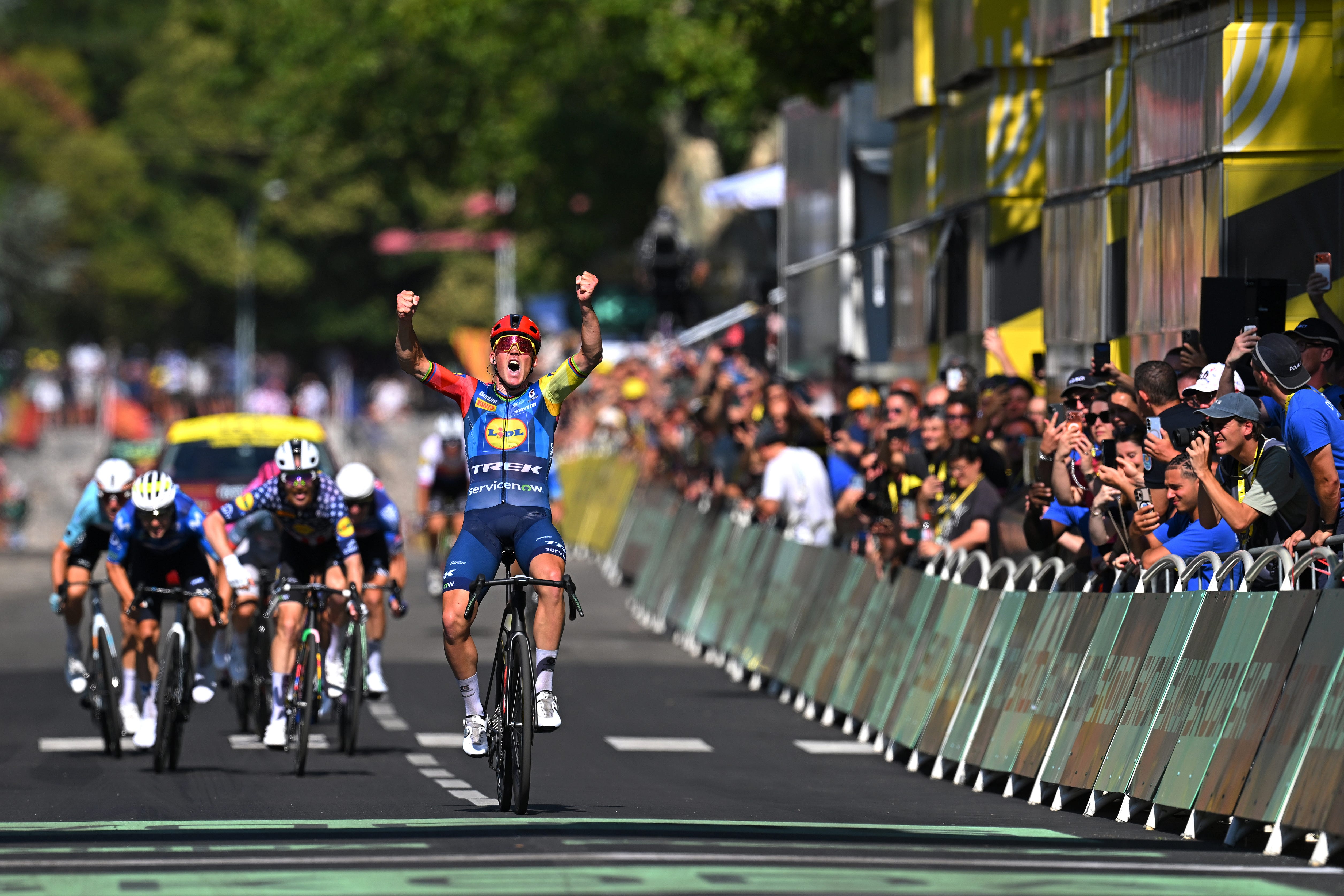
The gap grew to nearly thirteen minutes. Mads Pedersen won the stage in a Lidl-Trek masterclass, his first win in three years, with teammates Vacek and Simmons shutting down every counterattack in the finale to deliver him cleanly. But the stage winner wasn’t the story by the time the GC sheet was finalised. Træen crossed in eighth within the lead group, which was more than enough. Pogačar came home with the bunch nearly thirteen minutes back and dropped from first to fourth overall. A rider nobody had even thought about three hours earlier woke up as the leader of the Tour de France.
Who is Torstein Træen?
This isn’t a complete unknown pulling off a fluke. Træen has previously worn the leader’s jersey at the Vuelta a España, four days in red last year, so he knows what it is to carry a Grand Tour lead. But yellow at the Tour is a different order of magnitude, and it arrives after a genuinely tough few years: Træen has battled cancer, which makes Uno-X team manager Thor Hushovd’s reaction at the finish hit rather differently. Hushovd, himself a Tour green jersey winner and world champion in his own riding days, called it the proudest moment for a team that started from scratch in 2017, and admitted through visible emotion that this wasn’t remotely what they set out to do that morning.
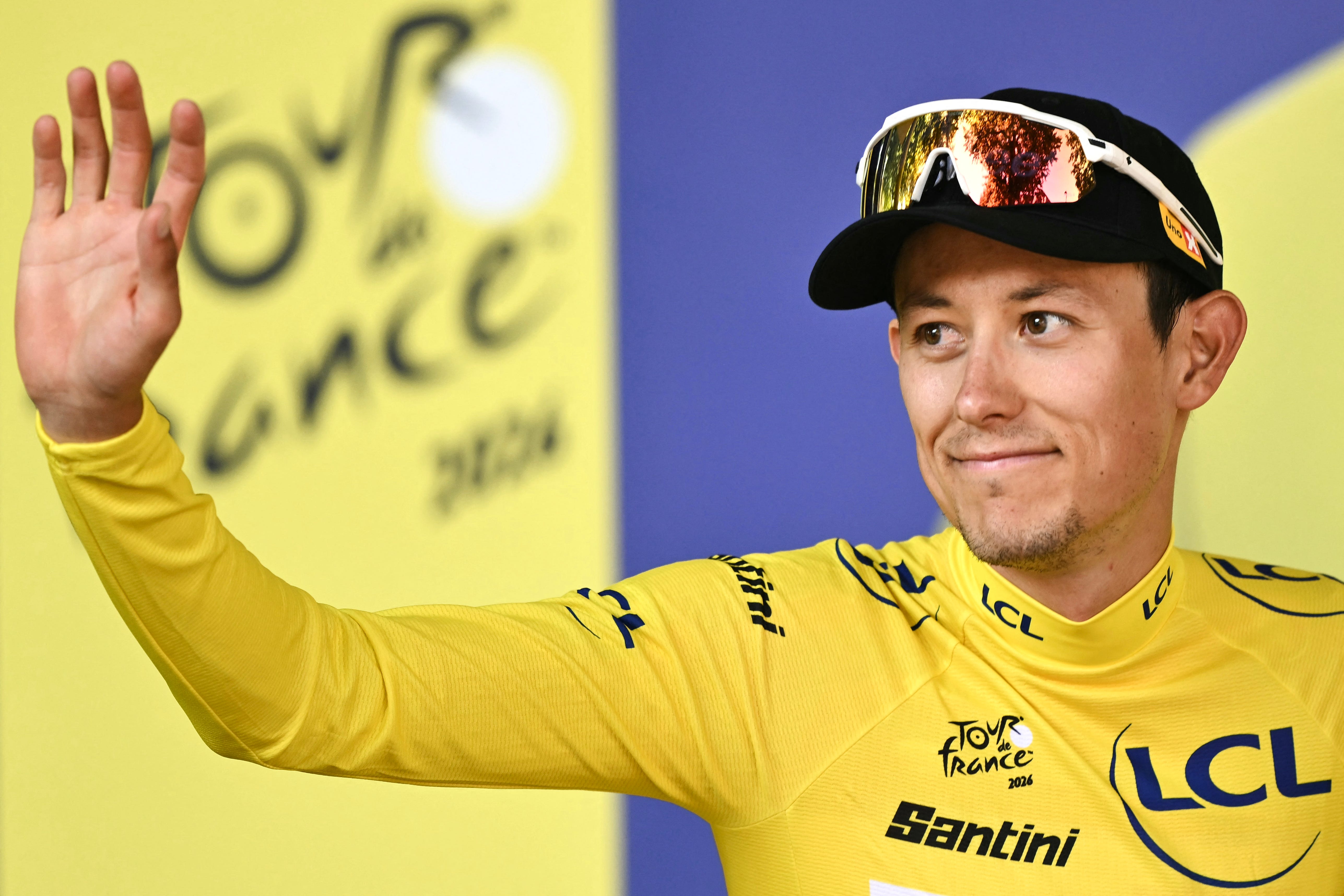
Træen’s own words afterwards were as honest as an athlete gets in the moment: “To be honest, I can’t believe it. I see the faces of my old coach, the soigneurs, everybody, how special it is. I don’t really understand what’s going on at the moment; in a couple of days, it will sink in”. That’s not a rehearsed script. That’s a man who lined up that morning like everyone else and finished wearing the most famous jersey in the sport.
Why the favourites let it happen
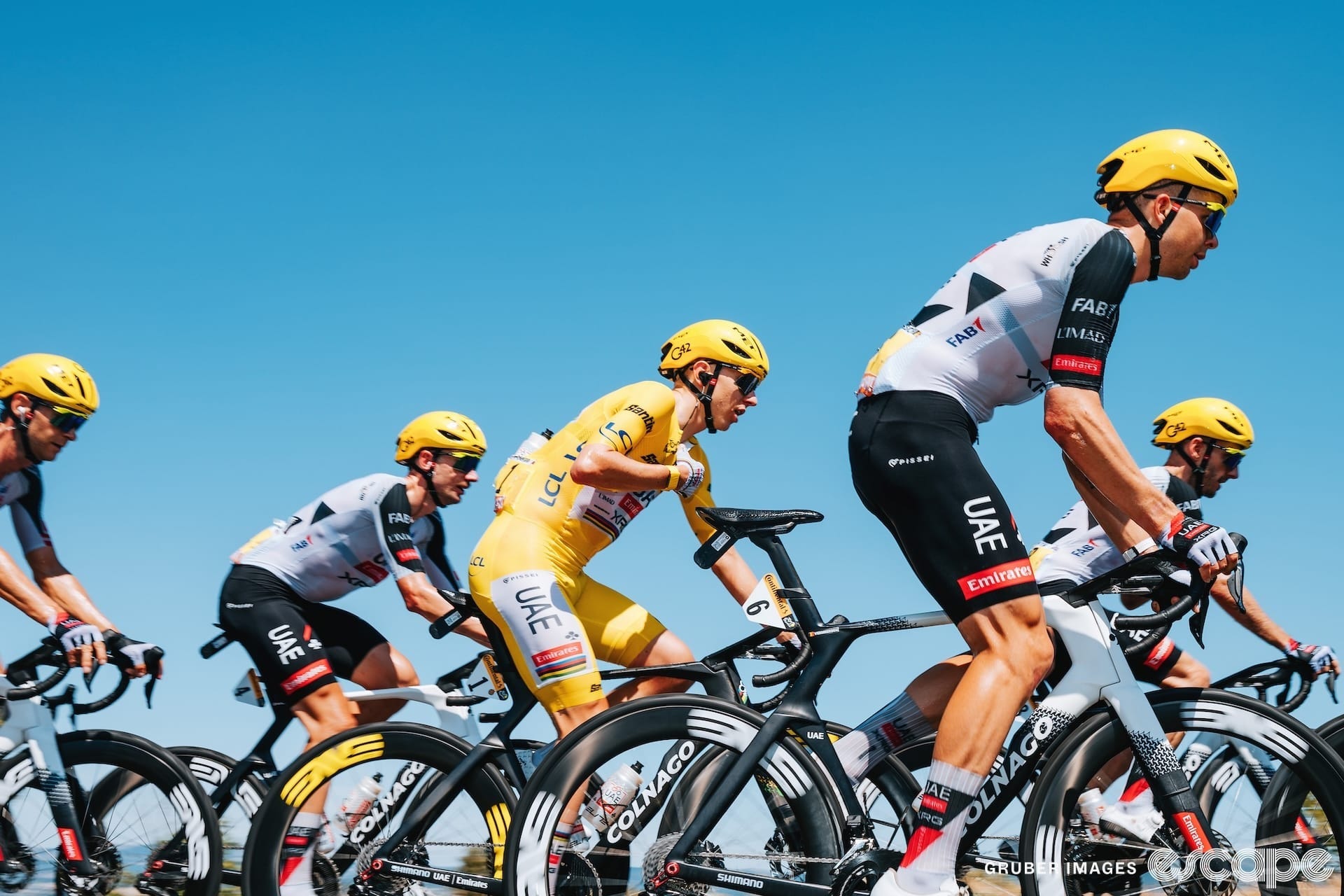
Here’s the part worth understanding if you’re new to how these things work: this wasn’t a mistake by Pogačar or Vingegaard’s teams. Conceding the jersey to a break on a stage like this is a calculated, entirely normal piece of Tour strategy. Neither Træen nor Quinn represented a threat over three weeks. The real GC picture didn’t change by a single second between the genuine contenders. What UAE and Visma effectively decided was that defending yellow through a 40-degree stage, purely for the sake of wearing it for one more day, wasn’t worth the collective effort. Pogačar himself said afterwards he expects Træen to hold the jersey for some time yet, given the size of the gap now standing between them.
There’s also a neat X-factor buried in the day: riders in the break get to set their own rhythm rather than grinding in the suffocating heat of a controlled bunch, which several riders and commentators noted made getting into the escape a genuinely smart way to survive the hottest stage of the race so far. Træen didn’t just get lucky with the pace. He got lucky with the tactics too, and made the most of both.
What happens next
Realistically? Nobody expects Træen to be standing on the Champs-Élysées in yellow on July 26. A 7:53 gap back to the genuine GC riders in fourth is a canyon, not a crack, and the Alps haven’t even started yet. Pogačar and Vingegaard will get their jersey back the moment the road tilts up seriously enough to matter.
But none of that makes today smaller. For at least one stage, probably a few, with Wednesday’s flat run to Pau unlikely to trouble him, cycling’s biggest race is being led by a rider who wasn’t on anyone’s list this morning, riding for a team that didn’t exist a decade ago, wearing a jersey most of us will remember for the story behind the man tather than for how long he kept it.
That’s the Tour de France at its best. The GC battle at the front is a three-week marathon chess match between two of the greatest riders alive. But some mornings, for no reason anyone could have picked in advance, the race hands the whole show to somebody else entirely, and today, it was Torstein.