

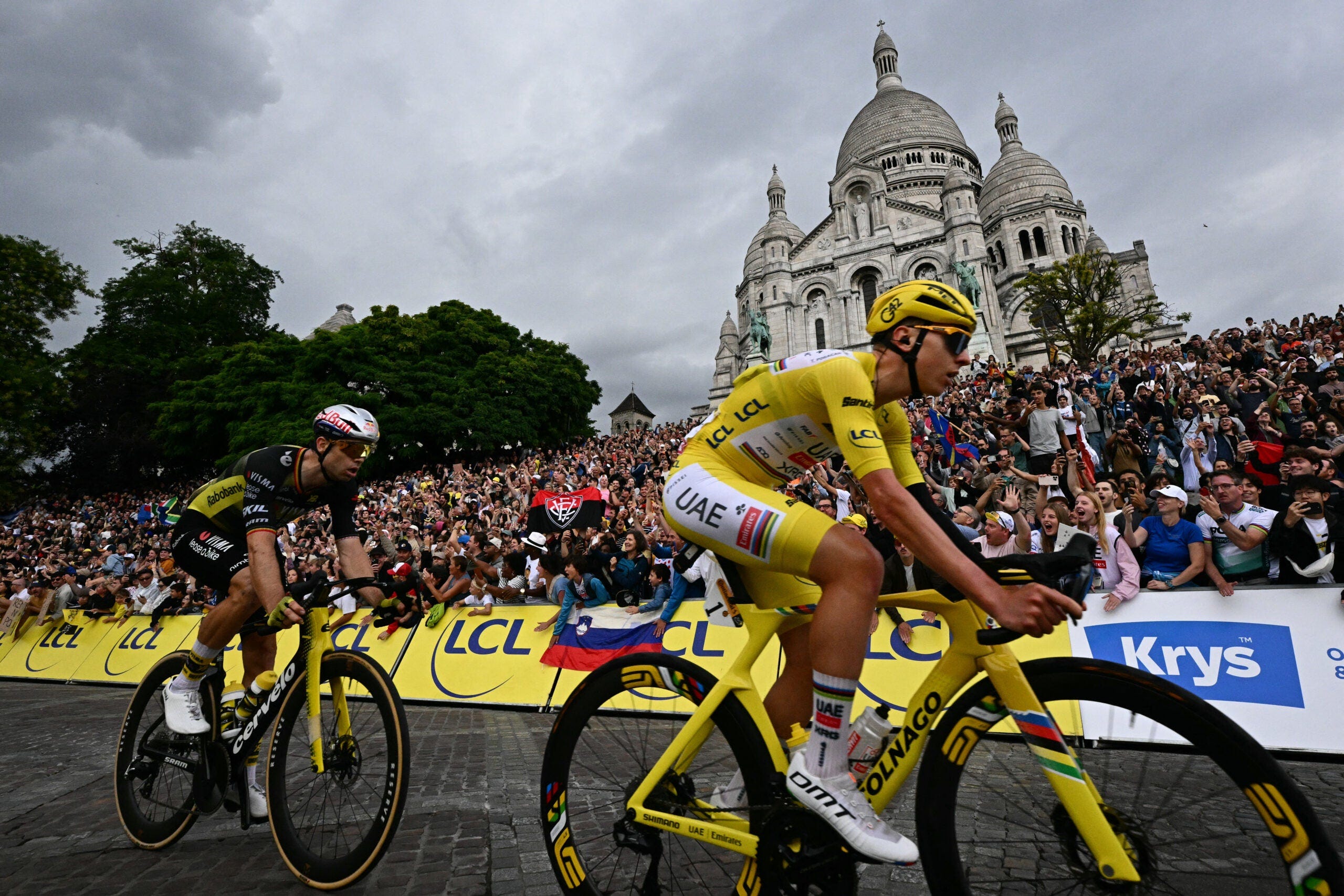
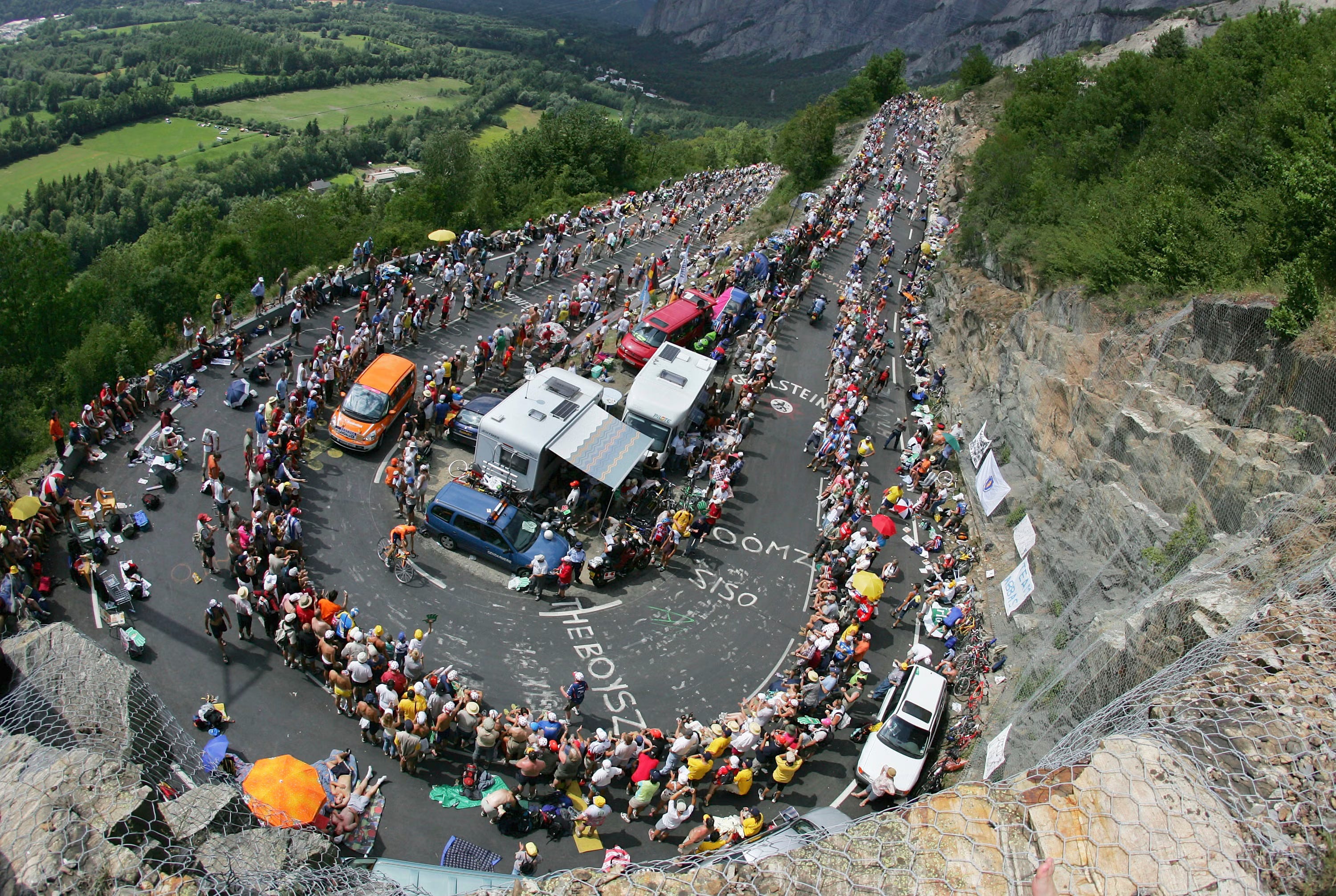
You might be expecting me to argue that the 2026 Tour de France route is dull. Let me save you the trouble: it isn’t, and anyone telling you otherwise hasn’t looked at it. This is the third most mountainous Tour in two decades with 54,450 metres of climbing, around 2,000 more than each of the last two years. There are eight mountain stages, five summit finishes, a return to Alpe d’Huez on two consecutive days, the Galibier as its roof, and a cobbled finale on Montmartre. “Uninspiring” is the wrong word entirely. This route is savage.
And that, strangely, is the problem.
A hard route should mean an open race. This one doesn’t.
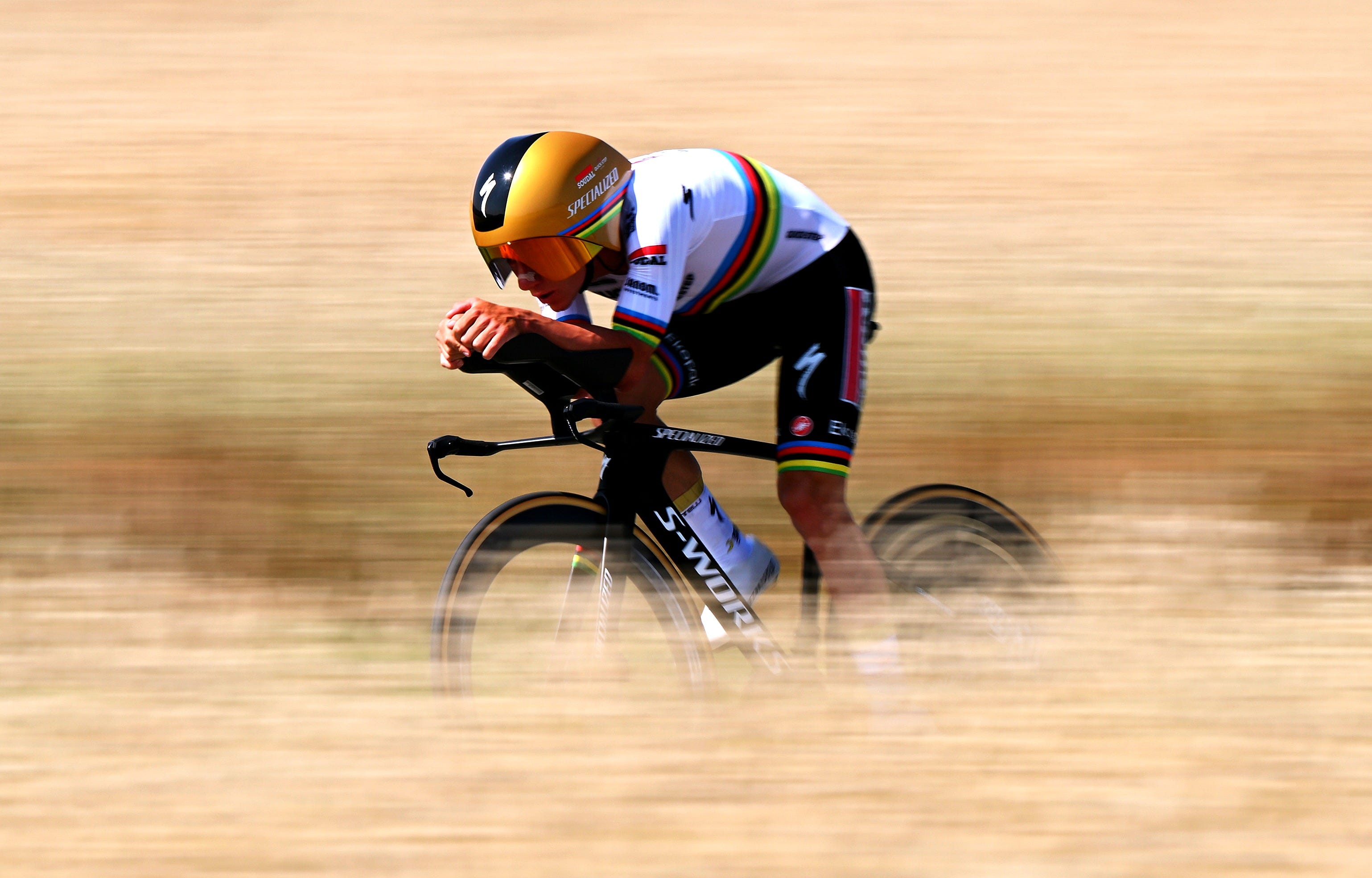
You’d think a parcours this brutal would create chaos, opportunities, ambushes, cracks for an underdog to exploit. But look at how it’s hard, not just how much. The 2026 route is climbing, climbing, and more climbing. Its lone individual time trial is a stubby 26 kilometres, the third-lightest allocation against the clock in twenty years. There are no cobbled sectors. There’s no gravel and as Ned Boulting pointed out, there aren’t even any obvious crosswind stages. ASO has built a mountain festival and stripped out almost everything else.
Let’s look at that more closely. Every one of those missing elements is a variable, a lever that lets someone who isn’t the best pure climber change the race, or a banana-skin that can ambush the favourite. A long time trial is a weapon for a Remco Evenepoel or a Jonas Vingegaard to claw back minutes with raw power. Cobbles, gravel and crosswinds are lottery days, the kind that have historically caught even the strongest GC riders out and turned a procession into a knife-fight. Take them all away, and you reduce a three-week race to a single question: who is the best climber in the world?
And we already know the answer to that question. His name is Tadej Pogačar, and the bookmakers have him at around 1.25.
The route doesn’t threaten the favourite. It suits him.
This is the quiet irony of the 2026 design. In chasing maximum mountain spectacle, the double Alpe d’Huez, the new summit finishes, the relentless vertical metres, ASO has produced a course that funnels the entire race toward the one discipline the runaway favourite happens to be the best in the world at. Rouleur summed Pogačar up in four words: he can do everything. So, a route that tests climbing above all else, and almost nothing else, isn’t a trap for him. It’s a red carpet.
A genuinely unpredictable route would have done the opposite. It would have hedged: a long, flat time trial to give the time-trial specialists a fighting chance, a cobbled stage to roll the dice, an exposed coastal day where a crosswind could split the race and put thirty seconds into a leader who drifted out of position. Variety is what democratises a Grand Tour. The 2026 Tour, for all its difficulty, has remarkably little of it.
In fairness to ASO
There’s a defence, and it deserves discussion. You cannot design a route that neutralises a generational talent without ruining the race for everyone else, and frankly, why should the organisers contort the Tour to engineer a closer contest? Hard mountains can produce magnificent racing; Vingegaard’s own famous wins came precisely by making the whole race relentlessly hard until Pogačar cracked. The mid-mountain and breakaway stages could still serve up thrilling days even with the GC settled. And it’s entirely possible a long flat time trial would simply have gifted Pogačar even more time, given he’s no slouch against the clock either. The organisers can’t be blamed for the fact that the strongest rider is also the most complete.
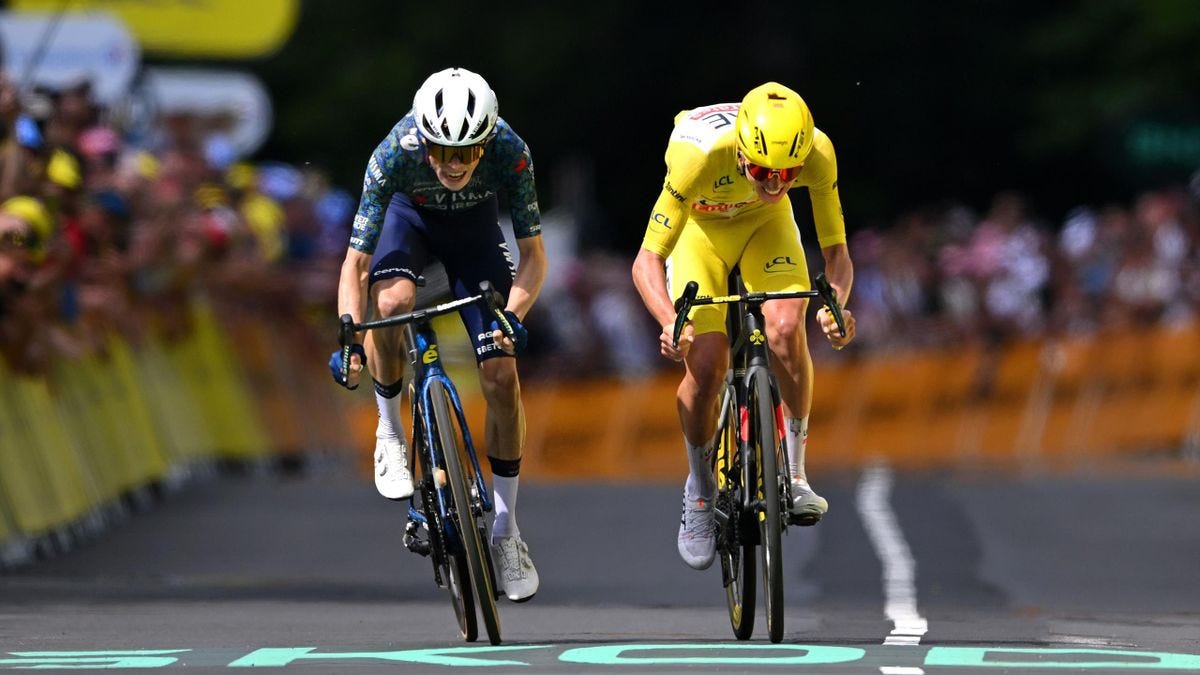
All true. But it rather proves the point. When the most interesting question about a route is “which design would best contain one man” and the answer keeps coming back “none of them” the sport has a competitive-balance problem that no parcours can solve.
So, is it the most uninspiring route in recent memory?
No. Genuinely, no. It might be one of the most spectacular. Two Alpe d’Huez finishes and a Montmartre showdown will produce images we’ll remember for years.
But spectacular and unpredictable are not the same thing, and 2026 has bought the first by quietly sacrificing the second. This isn’t the dullest Tour route in years. It may well be the most predictable one, a magnificent, merciless course that, in its devotion to the mountains, may have pre-written its own ending in the favourite’s favour.
The climbs will be breathtaking. Just don’t mistake breathtaking for uncertain.